

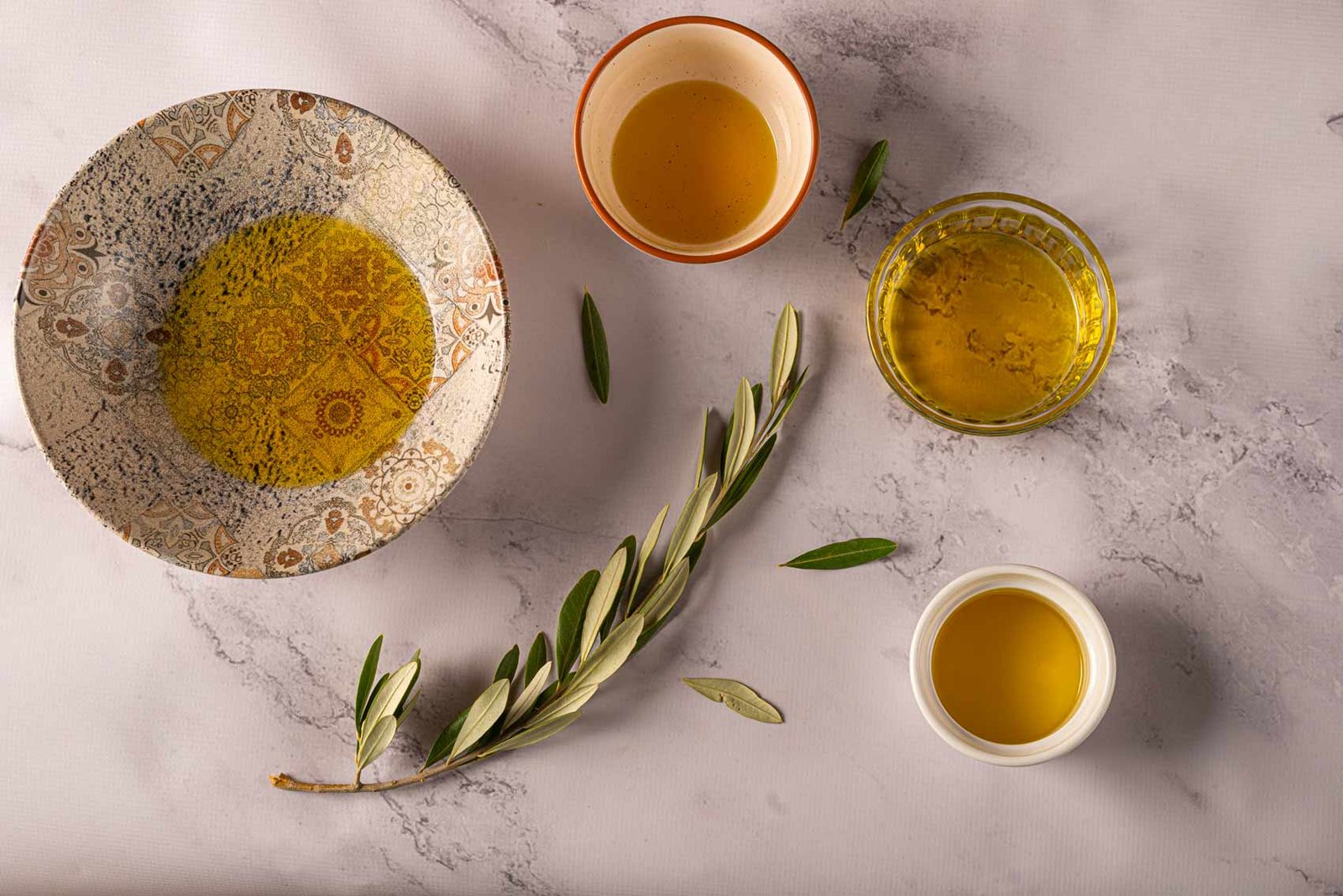
Olive oil is a product that's never missing from Italian tables and kitchens. Olive oil and extra virgin olive oil are considered opposites, each with its own distinct and crucial differences and nuances. How can you tell the difference? The two most common mistakes are associating that spicy sensation or stink with a low-quality oil, without realizing that it's a sign of the richness of the active ingredients in the product you're tasting. And relying solely on the oil's color to judge its quality is completely wrong.
Both extra virgin and virgin olive oils are extracted from the first pressing of olives. The difference lies in their organoleptic qualities and acidity. A good oil must be as low in acidity as possible. Olive oil undergoes a chemical process, which results in a mixture of unknown components, resulting in a refined and virgin oil.
For this reason, we always recommend purchasing extra virgin olive oil; even better, choose local producers. From a nutritional standpoint, extra virgin olive oil obtained by cold pressing at temperatures no higher than 27 degrees Celsius preserves its properties intact, enhancing its benefits. It is rich in natural antioxidants, substances absent from industrialized olive oil. It is heart-friendly, preventing cardiovascular disease and lowering blood pressure.
In addition to having miraculous properties for our health, extra virgin olive oil can be considered a true elixir of beauty in the cosmetic field, improving not only the skin but also the hair.
Why extra virgin olive oil costs more
A staple of the Mediterranean diet, extra virgin olive oil is a pillar that even evolving tastes and dietary trends cannot dent. Delicious, tasty, and healthy, it enhances every dish and is indispensable in the kitchen. It's a staple in every grocery store. The market offers a wide range of products and prices, depending on the type of olives used, their origin, and the different methods used.
The quality of oil depends on three factors. The first is the density of olive trees in the orchard, the second is the harvesting method, and the third, perhaps the most important, is the pressing method. In Italy, olive growing is primarily traditional, with small mills, often family-run or cooperatives, and the average price is around €10.00 per liter. This price can easily double or quadruple due to greater care in cultivation, the use of olive varieties, including native ones, preservation of the terroir, careful processing, the extraction of distinctive aromas and flavors, and the certification of controlled origin. The greater the effort and financial commitment.
Italy leads the way in food quality certification. There are PDO and PGI extra virgin olive oils. These labels are supposed to be a guarantee of the superior quality of the product we're purchasing. Equally important, Italy doesn't produce enough oil to meet domestic consumption and exports. This is due to poor harvests and the Xylella epidemic, which has damaged over a million olive trees nationwide, impacting the final price of the product. Italy boasts the highest-quality extra virgin olive oil compared to Spain, Greece, and Tunisia.
Olive Oil Wedding Favors: Here's How to Surprise Your Guests
How many times have you returned from a ceremony or party with a wedding favor and not known what to do with it once you got home? If you're one of those people, then a food favor might be just the thing for you. To impress your guests, creating practical wedding favors is becoming increasingly popular.
Planning your wedding isn't easy these days. Newlyweds are increasingly turning to ideas to reduce waste. Among the current trends are food-based wedding favors, which are the tastiest and most popular with guests. You could choose to give a bottle of extra virgin olive oil, which represents both a symbol of peace and a sign of a prosperous future. You can delight your guests' palates with a product embodying aromas and flavors of authenticity and quality. A gift destined to awaken emotions and stimulate the senses.
You can count on several companies now offering bottling services with personalized labels. If you're handy, all you need is a glass bottle with a cork stopper, a handwritten note, and perhaps a garland of aromatic herbs to create a sensory experience. You could bottle your own, purchasing glass containers in bulk and perhaps adding a flavoring like chili pepper, rosemary, garlic, or basil to the extra virgin olive oil, and you're ready for a 100% Mediterranean wedding.
The key to future wedding favors is originality. Many, many couples opt for a beautiful and thoughtful gift.


