Skip to content

Oil, health and beauty

Denocciolato: cosa significa e quando puoi essere sicuro che lo sia?
denocciolato

Pitted: what does it mean and when can you be sure it's true?

adminpace

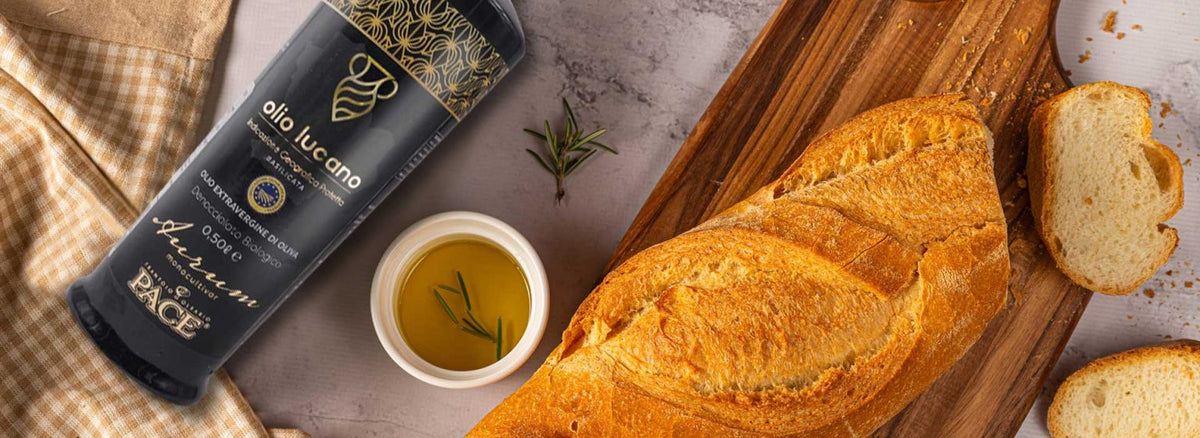
The foundation of a healthy diet is based on careful choices, such as choosing organic pitted olive oil, a superior quality oil, over ordinary extra virgin olive oil. The pitted oil Italian olive growing, that immense heritage of olive trees, farmers, and millers that populates the Italian peninsula all the way to the southernmost islands, is experiencing a period of extreme hardship. This crisis is linked to the industrialization of cultivation itself—with the creation of new, mechanized facilities and increasingly technological processes—which has rendered premium olive oils uncompetitive. The wealth of centuries-old or millennia-old trees scattered throughout the peninsula contributes to making the production of Italian extra virgin olive oil even more challenging and expensive. Thus, the market, oriented toward the lowest price, rewards low-quality olive oils. An example of excellence in this transformation is the FRANTOIO dei F.lli PACE , a mill that dates back to the 1970s and which, in 2004, expanded its supply chain to include pitted extra virgin olive oil. BUY OUR PITTED OIL HERE The history of pitted tomatoes Pitted olive oil has a long history; its production dates back to Roman times, when olives were already being pressed without their pits. Today, olives are pitted using special machinery, and the pitting occurs immediately after washing and before malaxation. As the name suggests , pitted olive oil is a superior quality oil obtained by pressing only the olive pulp. The pit is separated and is not part of the production process. Compared to a simple extra virgin olive oil, pitted oil has enhanced organoleptic characteristics, but it is the level of microparticles that surpasses its competitors. This process therefore produces a quality extra virgin olive oil that is essential in your kitchen and has a light flavor. Recommended by chefs for steaming fish and vegetables, as its consistency remains intact even in dishes. A product that enhances the flavor of dishes, such as pizza, without altering their nature. The characteristics of pitted olives Pitted olive oil and its qualities also guarantee better shelf life thanks to its superior resistance to oxidation. The flavor is sweeter, and the bitter, woody aftertaste characteristic of ordinary extra virgin olive oil is less intense. Simply tasting it will immediately reveal a sweet flavor and a lively aftertaste, with fruity aromatic notes combined with hints of fresh grass. It retains all the character of the olive. It has excellent properties, rich in antioxidants, essential for preventing DNA damage, and low in peroxides and acids. The price of pitted olive oil? It depends on numerous factors. Does the scarcity of olives affect the price? Generally speaking, yes. Let's look together at the truths and rules for recognizing a good pitted olive oil and distinguishing it from a lesser one. The more points of the following rules appear on the same label, the better the oil. Make sure the label says “Extra Virgin Olive Oil” and includes a specific adjective, such as “Pitonned”. Identify the type of company: if it's an olive oil mill, you can be sure you're purchasing extra virgin olive oil directly from the producer. Conversely, if you find "Oleificio," "Ditta," or "Società Rossi" written on it, you're buying oil from a company that only sells it. Make sure the label states DOP or IGP or "MADE IN ITALY FROM OLIVES GROWN IN ITALY." These terms certify the product's origin. The variety or varieties of olives used to produce the oil should be listed. Remember that the variety of olives determines the area to which they belong. The pitted market How to choose the best olive oil? Paying attention to the right purchase helps support, protect, and enhance not only small-scale artisanal food producers at risk of extinction, but also the territories where they originate and the precious knowledge, skills, techniques, and traditions associated with their production. Italian pitted olive oil is therefore not only a testament to olive growing based on centuries-old local olive groves cultivated using sustainable production techniques, but it is also a sign of quality. This is the approach taken by FRANTOIO dei F.lli PACE. The company produces olive oils, all VEGANOK certified, by scrupulously monitoring the quality of the raw materials, the production processes, and the company's organization: the result is one of the best extra virgin olive oils in Italy , making the company a leading seller of this product. Pitted olive oil is now a highly appreciated and sought-after product by consumers, which is why many companies have chosen to follow this path with extreme care and precision, aiming to obtain a healthy product with exceptional qualities thanks to the many positive effects observed both scientifically and economically. In conclusion, the difference with traditional extra virgin olive oils is that pitted extra virgin olive oil contains fewer peroxides, greater resistance to oxidation, more antioxidants in the form of polyphenols and fewer polyunsaturated acids, lower free acidity, and a lower intensity of bitterness and woodiness—in short, a sweeter oil.

Read more

Oil, health and beauty